As world leaders gather for COP31, we hear from partners and global advocates about the opportunities ahead, Australia’s role in the green energy transition and what it will take to turn climate commitments into meaningful action.
The road to meaningful climate action is built through many moments, conversations and commitments.
As world leaders gather in Antalya, Türkiye, from 9–20 November 2026 for COP31, the 31st United Nations Climate Change Conference, the focus is on turning that collective momentum into practical outcomes.
Leaders will be working through how to transition away from fossil fuels, accelerate electrification, protect natural carbon sinks and mobilise the investment needed to support these changes, all to ultimately protect the environment we all depend on.
Along the way, important gatherings have helped clarify priorities, strengthen partnerships and build momentum for action.
The Pacific Pre-COP, hosted in Fiji and Tuvalu, helped clarify priorities ahead of the conference and reinforced the importance of Pacific leadership in shaping the international climate agenda.
A key theme was the growing focus on implementation, including how governments, industry, investors and civil society can work together to translate climate commitments into practical action, investment and partnerships.
Global Citizen NOW: Perth provided another national opportunity to build on this momentum, bringing together leaders and organisations to advance conversations around electrification, green industry and the transition away from fossil fuels in Australia and beyond.
For Minderoo, it was also an opportunity to connect with our partners and hear their perspectives on what needs to happen next.
Climate change is a global challenge, but its impacts are felt differently around the world.
For Pacific nations and small island developing states, the stakes are particularly high. Rising temperatures, extreme weather and the economic pressures associated with fossil fuel dependence make international cooperation essential.

At Global Citizen NOW: Perth, we caught up with Kal Glanznig, COP31 Youth Ocean Advocate, who reflected on Australia’s role in shaping the future of climate action.
“When I think about the future of climate action, based on what I’ve been hearing here at Global Citizen NOW, the future of climate action is right here in Australia.
“And we can do that through looking after communities, creating public benefit and really showing the world what’s possible with leadership in our ocean and on our land.”
That leadership also depends on countries working together, particularly when the challenges extend beyond national borders.
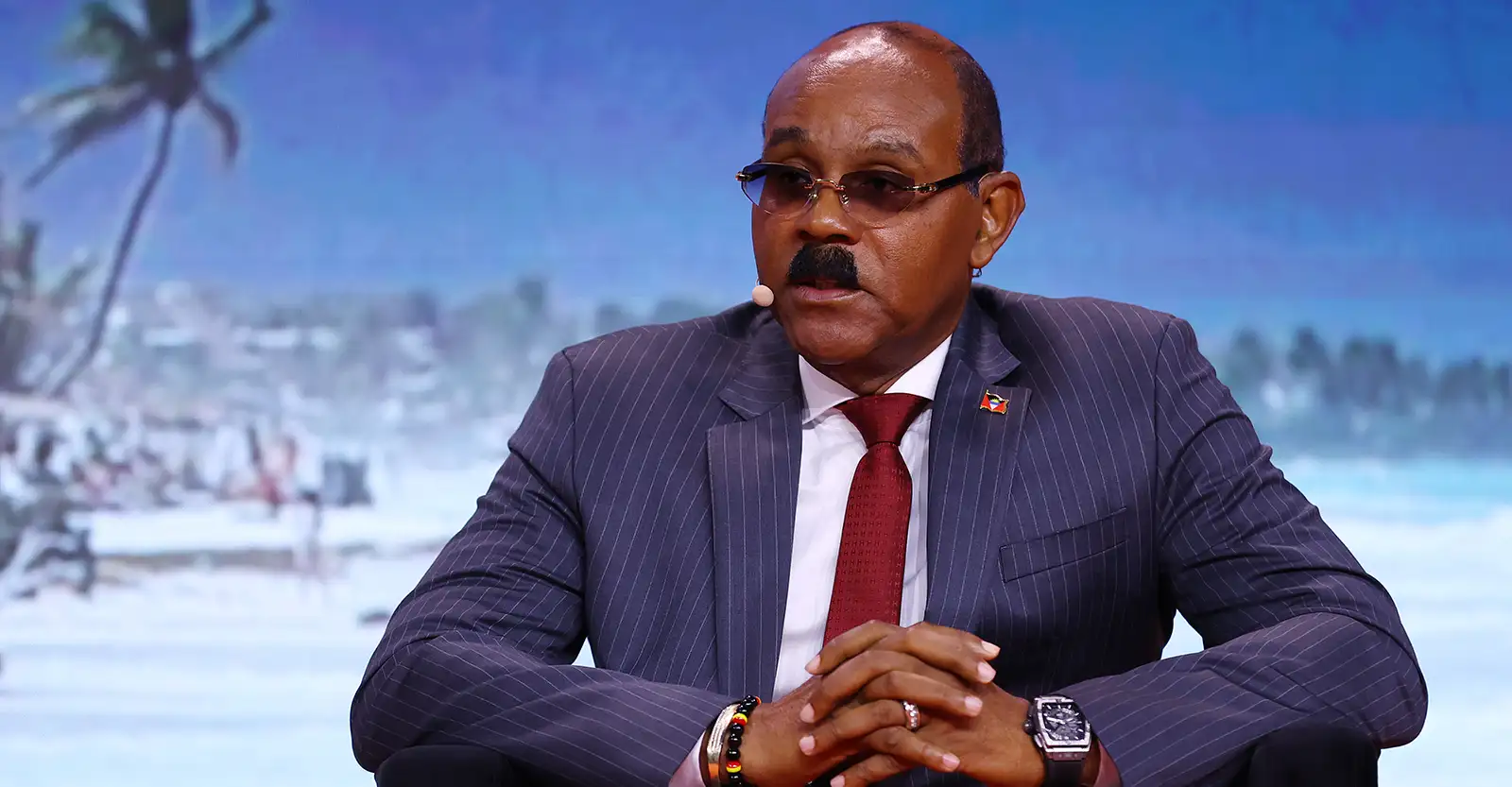
We spoke with Prime Minister, Gaston Browne, of Antigua and Barbuda about why multilateralism matters for climate action, and what he hopes world leaders will prioritise at COP31.
What is multilateralism?
Multilateralism is an approach to international relations in which three or more countries work together to address shared challenges, negotiate solutions and establish common standards.
Prime Minister Gaston Browne, Antigua and Barbuda:
“If we’re going to be successful in addressing the issue of climate change, it has to be an all of society approach. And therefore, multilateralism is very important as we seek to mobilise various populations and entities, both in the public and private sector, to get them on board.
“Not only in terms of providing funding, but at the same time, to increase advocacy and to get increased commitments to reduce emissions, ultimately to save our planet.
“For a small island like Antigua and Barbuda, our interest goes beyond reducing emissions. It’s also about energy stability and security.
“We have had to contend with the vagaries and the movement in petroleum prices, and that in itself is undermining development, not only for Antigua and Barbuda, but other developing countries and small states.
“So, having a transition into renewables as quickly as possible is very important to provide economic stability for developing countries, especially small states.”

When asked what he would most like to see from COP31, Prime Minister Gaston Browne highlighted stronger emissions commitments, accelerated renewable energy deployment and climate finance that better reflects the vulnerability of small island states.
PM Gaston Browne
“It is essential that there’s no further overshoot of the 1.5° target; for countries to increase their ambitions, and at the same time, commit to those ambitions and reduce emissions so that we can contain global warming.
“The issue of financing is also very important, especially for states like Antigua and Barbuda that are considered to be wealthy, though very vulnerable.
The Prime Minister also called for increased support for loss and damage, helping developing countries on the front lines of climate change access the resources they need.
So, what could success look like at COP31?
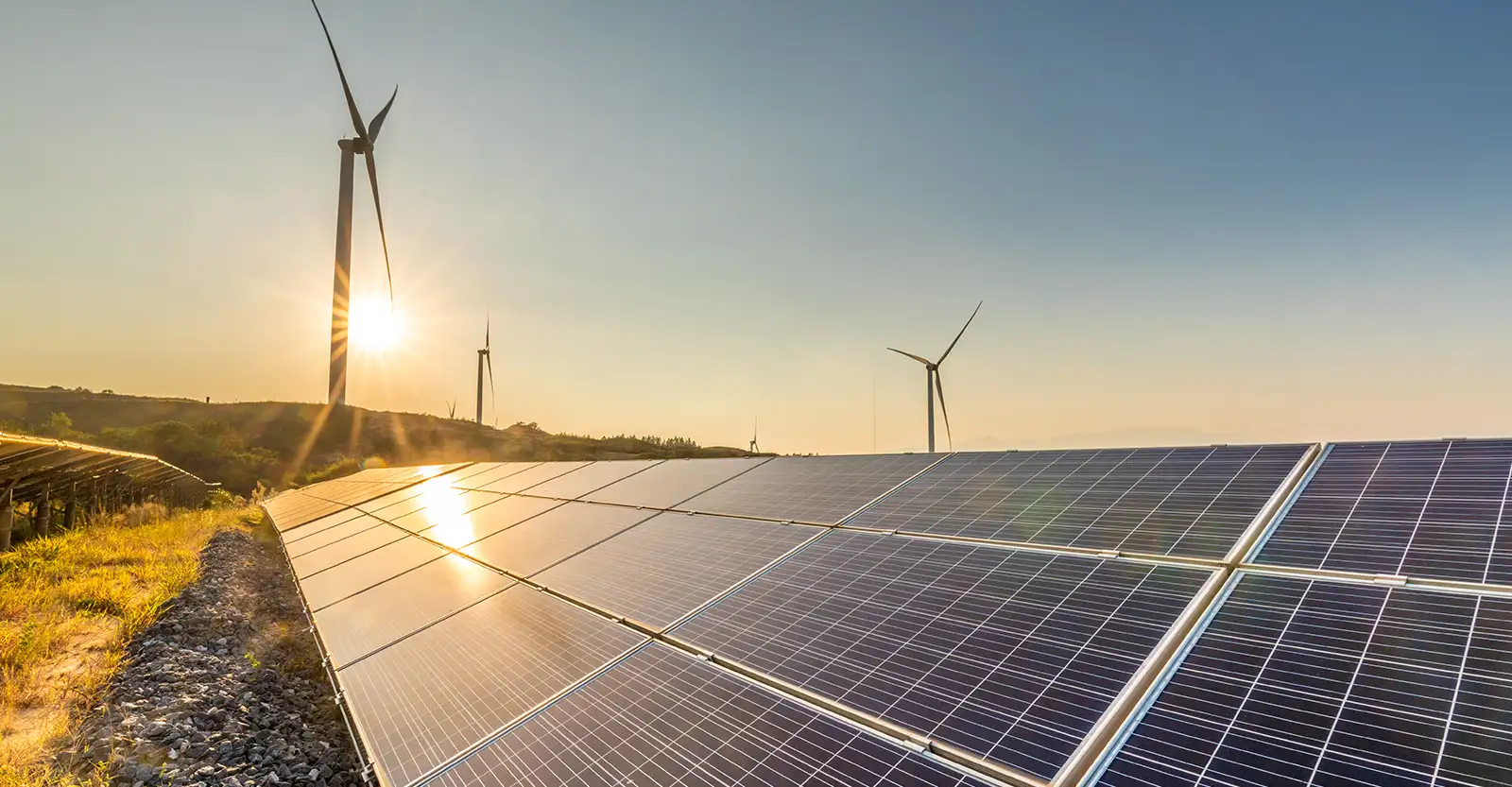
Among the priorities for Minderoo and our partners at COP31 is accelerating the transition to green energy and building momentum behind electrification, industrial decarbonisation and green exports.
Electrification: The process of powering devices, systems and entire economies with electricity instead of burning fossil fuels.
Industrial decarbonisation: The process of eliminating greenhouse gas emissions from manufacturing, mining and heavy industrial activities.
Green exports: Goods, services and energy products manufactured or extracted using 100% renewable energy.
These methods not only provide pathways to reducing emissions, but also create opportunities for strengthening energy security, supporting new industries and building more resilient economies.
One initiative gaining attention ahead of COP31 is 35x35, a global ambition to increase renewable electricity’s share of final energy consumption to 35 per cent by 2035.
Australia has endorsed the initiative and is championing it alongside the Turkish COP31 Presidency, but what would meaningful progress towards these ambitions actually look like?
We asked our partners at Global Citizen NOW: Perth what success at COP31 would mean to them.
Luke Menzel, Energy Efficiency Council
“There’s an incredible opportunity around electrification at COP31 because the Turkish presidency has announced this 35x35 target of getting end-use energy up from the 23 per cent where it is globally at the moment right up to 35 per cent by 2035.
“If we can achieve real momentum towards that goal at COP31 in Türkiye this year, that will be an incredible step forward for decarbonising the global economy.”
While electrification is central to the transition, Rachel Howard from Mission Possible highlighted that it is only one part of the picture.
Rachel Howard, Mission Possible
“There is some great ambition around electrification, and this is absolutely necessary. But what I would think is a real success is complementing it with some targets around green industrial products, commodities, materials and fuels that we use every day.”
Beyond the negotiations themselves, COP31 presents an opportunity to consider Australia’s role in the global energy transition.
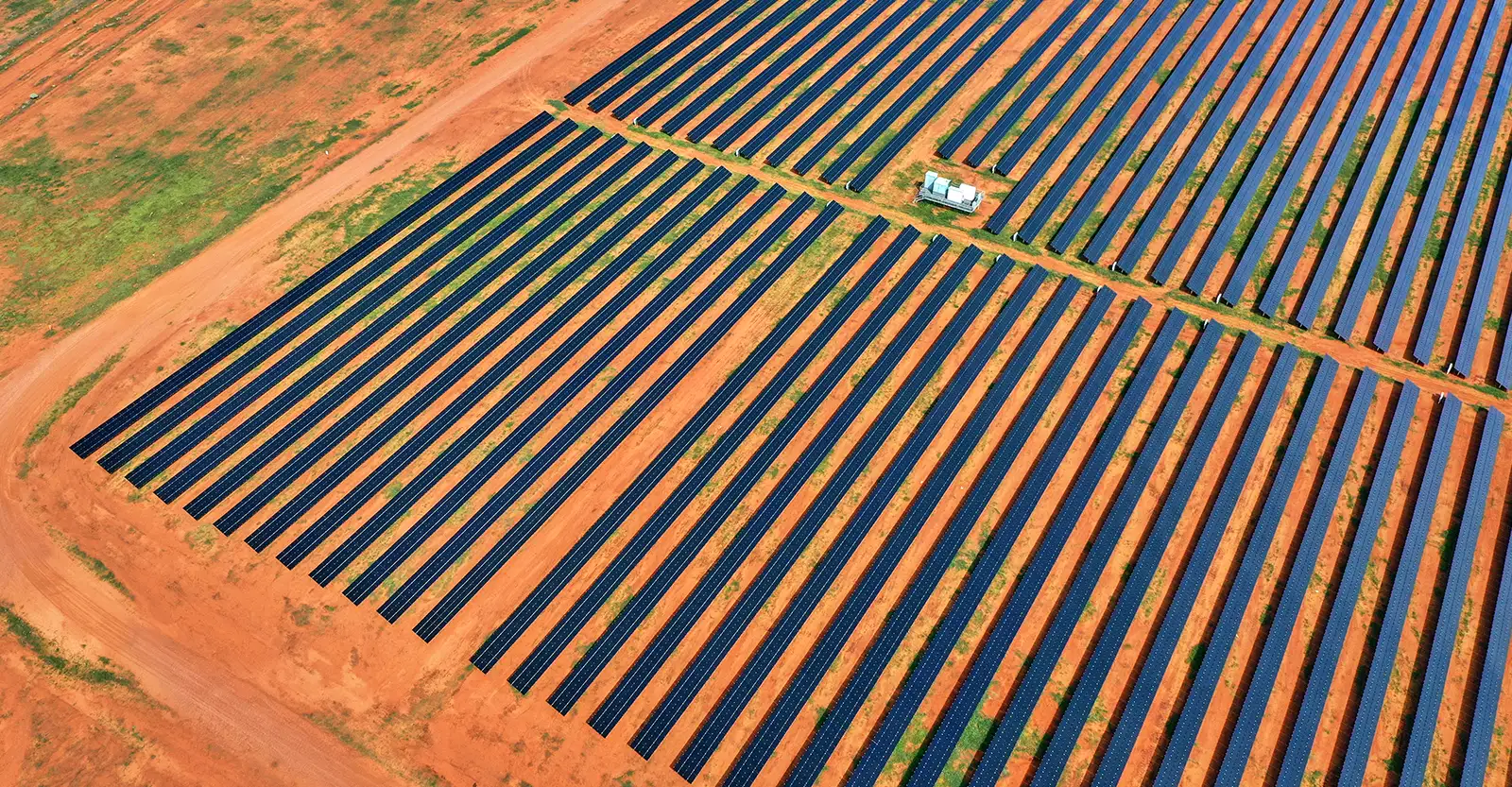
With abundant renewable energy resources, mineral deposits and established trade relationships, Australia has significant potential to develop and export greener industrial products.
But realising that opportunity will require more than natural advantages. It will depend on investment, infrastructure, supportive policy and collaboration with the communities and industries at the centre of the transition.
We asked our partners what a decarbonised future could mean for Australia.
Baethan Mullen, The Superpower Institute
“Australia has a really fortunate opportunity to be a major player in a future green energy trade.
“We’ve got abundant natural resources like iron ore and other mineral deposits and obviously excellent renewable resources.
“The combination of those things mean we can be a major player in green iron and low carbon fuels and other low carbon commodities like chemicals.”
For Heidi Lee, the opportunity extends beyond new industries and exports to the kind of future Australia can create.
Heidi Lee, Beyond Zero Emissions
“One of the biggest things, and all the work that we’re doing, is about creating the conditions for a better world.
“And that means a pollution free society, it means abundant food and an equitable society.
“And it’s so interesting that so much of this really does depend on quality access to renewable energy that underpins all of these systems.”
Australia’s natural advantages create significant opportunities, but realising them will require deliberate action.
Across our conversations, partners identified practical steps Australia could take over the next 12 months towards a Real Zero future, from attracting investment and supporting regional communities to deploying technologies that already exist.

Baethan Mullen, The Superpower Institute
“What we know about new industries like the ones we’re talking about now is that the government has a really important role to play in creating the right conditions for investment by the private sector.
“There are important policies that the government is developing and has developed to support new industries, to support innovation, to help the roll out of infrastructure and to pay for the green premium.
We need to see those things accelerate and be rolled out in the next year so that we can see these industries succeed.”
For Heidi Lee, working alongside regional communities will be essential, particularly in Australia’s existing industrial centres.
Heidi Lee, Beyond Zero Emissions
“Over the next 12 months, if we want to make concrete progress towards a Real Zero emissions future, the first thing we need to be doing is working hand in hand with regional Australians to decarbonise our current industrial centres.
“Today, so many of our industrial facilities are powered by fossil fuels, but we have the technology to electrify these same facilities and power them with renewables.
“These are the places that when they decarbonise and they prosper, so does the rest of Australia.”
Luke Menzel also highlighted the opportunity to accelerate electrification using technologies already available today.
Luke Menzel, Energy Efficiency Council
“Electrification is one of the most practical areas that Australia can lean in because we already have the technology, and many Australians have made that decision already.
“For example, they’re making an EV their next purchase.
“But beyond that, we can get off gas in our homes. And low temperature process heat powered by fossil fuels in our manufacturers. We can get off that now with industrial heat pumps powered by renewables.
“We know we can electrify our resources sector, our agriculture sector.”
For industries where cleaner alternatives are still emerging, Rachel Howard pointed to the role of government procurement, supportive regulation and product standards in helping projects secure investment.
Rachel Howard, Mission Possible
“Decarbonisation can mean economic growth and the establishment of new sectors for Australia. Take what is underway in the fuels sector. This year the government committed to introducing a demand mechanism for low carbon fuels, and we saw positive momentum in the pipeline of projects right away. Thirteen new projects came into the pipeline and a number of them made material steps forward in contracting with customers.
“The investment value to be unlocked from this active pipeline is already $41B and is most predominantly flowing to regional areas. This will only grow in future if Australia can stand up a domestic low carbon fuel capability.
“We can then then take lessons from the fuel sector to some of these lagging sectors like steel and cement. New clean commodity sectors for Australia across green metals, cement, chemicals and fuels represent a multi-hundred-billion green growth opportunity.”
Heidi Lee, Beyond Zero Emissions
“Decarbonising Australia and moving towards a Real Zero emissions future is so much closer than what most people think. We have the technologies; it’s just about scaling them.
“We have the communities that are willing to host these facilities and to be on the front line of this change. They’re willing to make the trade-offs when they bought early into the process.
The road to COP31 has shown what’s possible when governments, industry, philanthropy and communities come together around shared climate ambitions.
From Pacific leadership to electrification powered by renewables and green industry, our partners have highlighted both the opportunities ahead and the practical steps needed to realise them.
COP31 is an important moment to build on that momentum, but meaningful progress will depend on what happens next, including the policies put in place, the investments made and the partnerships that continue to drive change and turn global ambition into tangible outcomes.